Personalised plastic surgery with Op. Dr. Oğuz Kılıç, with a focus on Deep Plane Facelift, individual assessment and continued follow-up.

Search
Contact Info
Location Çırkan Mah. Atatürk Bulvarı, 23/B 48400-Bodrum,Muğla/Türkiye
Follow Us
Contact Info
Location Çırkan Mah. Atatürk Bulvarı, 23/B 48400-Bodrum,Muğla/Türkiye
Follow Us

A refined surgical approach focused on facial balance, natural expression and individual anatomy.

Why Deep Plane?

A deeper approach to facial rejuvenation.

FACE & NECK

One Surgical Approach

Unlike approaches that rely primarily on the skin, Deep Plane Facelift works beneath the SMAS layer and addresses deeper facial support structures. This allows descended tissues to be mobilised and repositioned as a more integrated unit.

Facial ageing does not occur only at skin level. Changes also involve deeper soft tissues, fat compartments and supporting structures. Deep Plane surgery is designed to address this structural descent rather than depending mainly on surface tension.

The objective is not to create a tighter-looking face, but to restore support and contour while respecting the patient’s individual anatomy. By repositioning deeper tissues, the skin can be redraped with less reliance on excessive surface tension.

The midface, lower face, jawline and neck are visually connected. Changes in one area can affect the balance of the others, which is why surgical planning may consider these regions as part of a single facial rejuvenation strategy when appropriate.

IS DEEP PLANE FACELIFT RIGHT FOR YOU?

When Facial Changes Go Beyond the Skin.

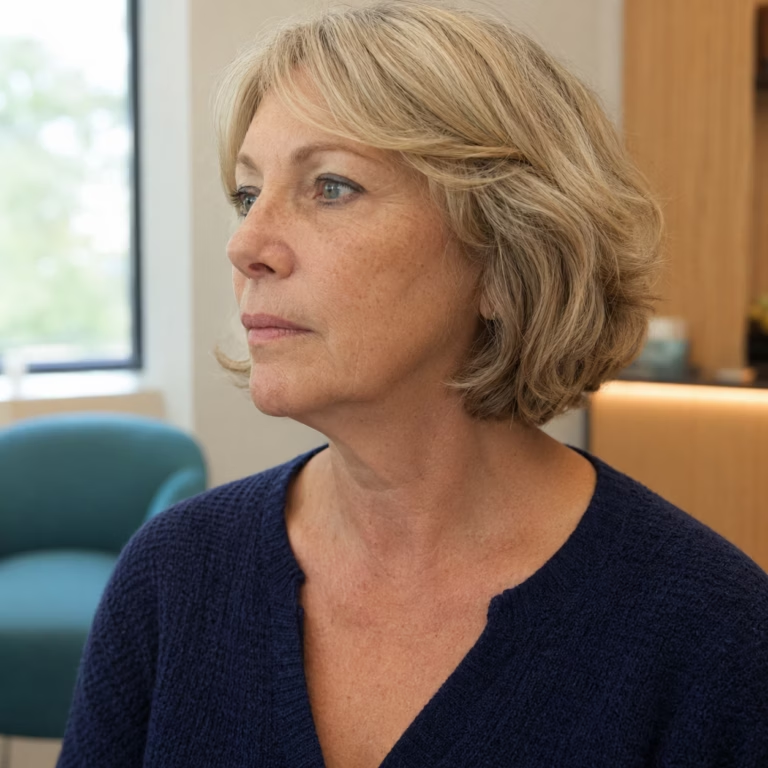
01.

Loss of Jawline Definition

When the lower face begins to descend, the jawline may lose its previous definition and jowls can become more noticeable.

Learn more
02.

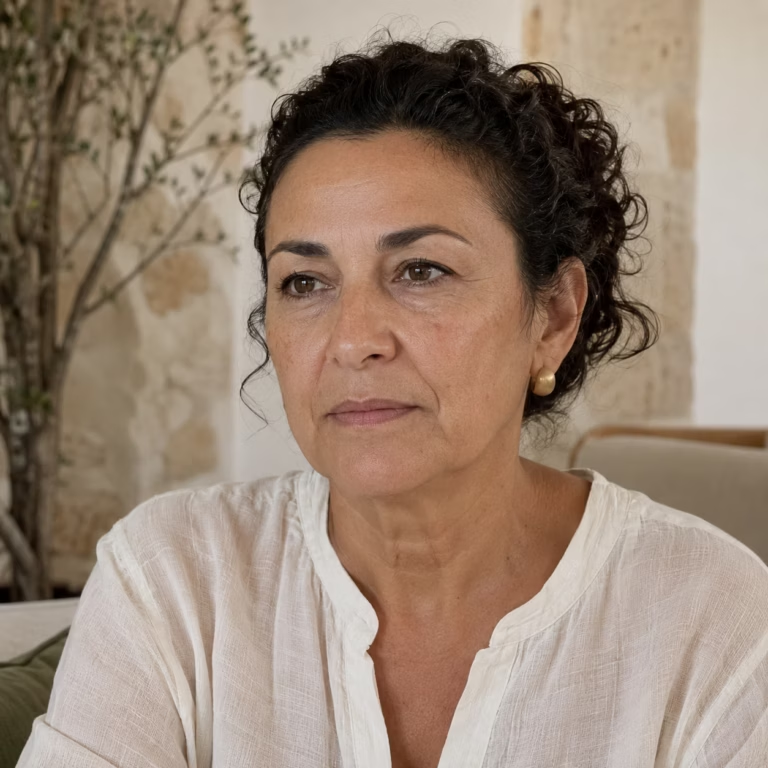
Midface Descent

Changes in the deeper facial tissues can create a heavier appearance through the cheeks and deepen the folds around the mouth.

Learn more
03.

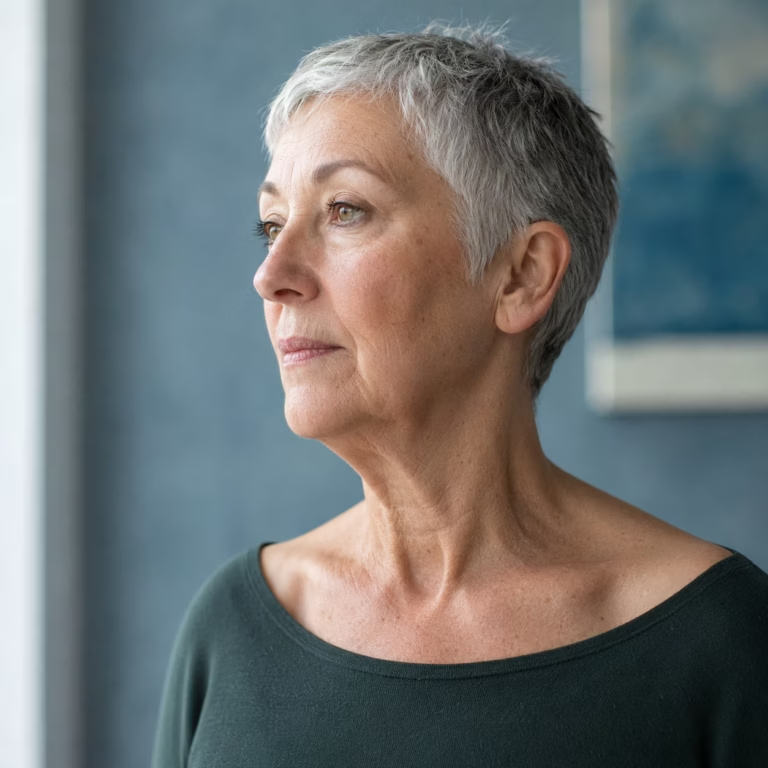
Changes Along the Neck

Loose skin, loss of definition beneath the chin or visible neck bands may affect the balance between the face, jawline and neck.

Learn more
04.

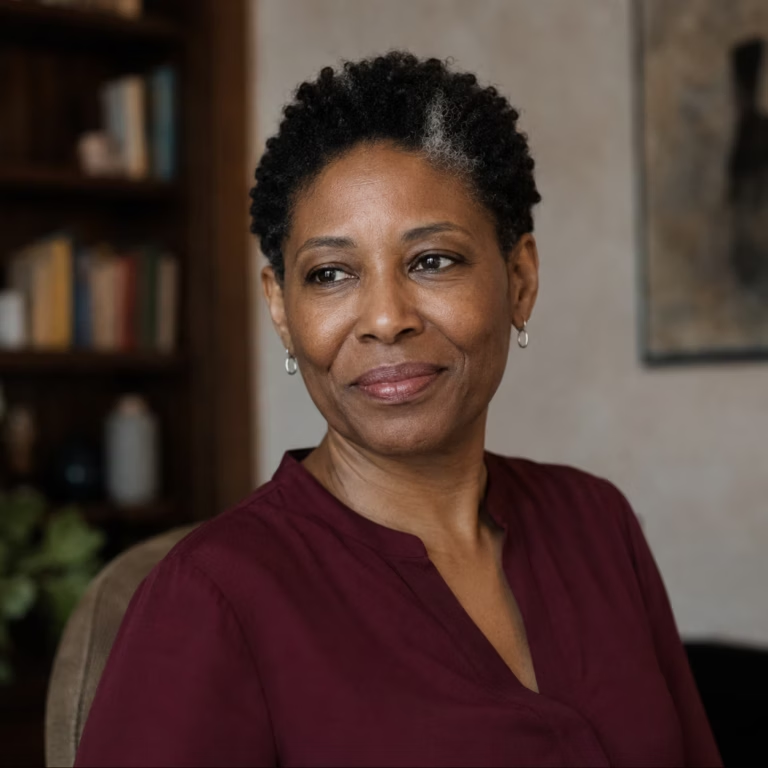
Looking for Structural, Not Excessive Change

You may be seeking a surgical result that improves facial support and contour while still preserving the features that make your face recognisably yours.

Learn more
Have questions about your options? Start with a personal consultation. Talk to us today

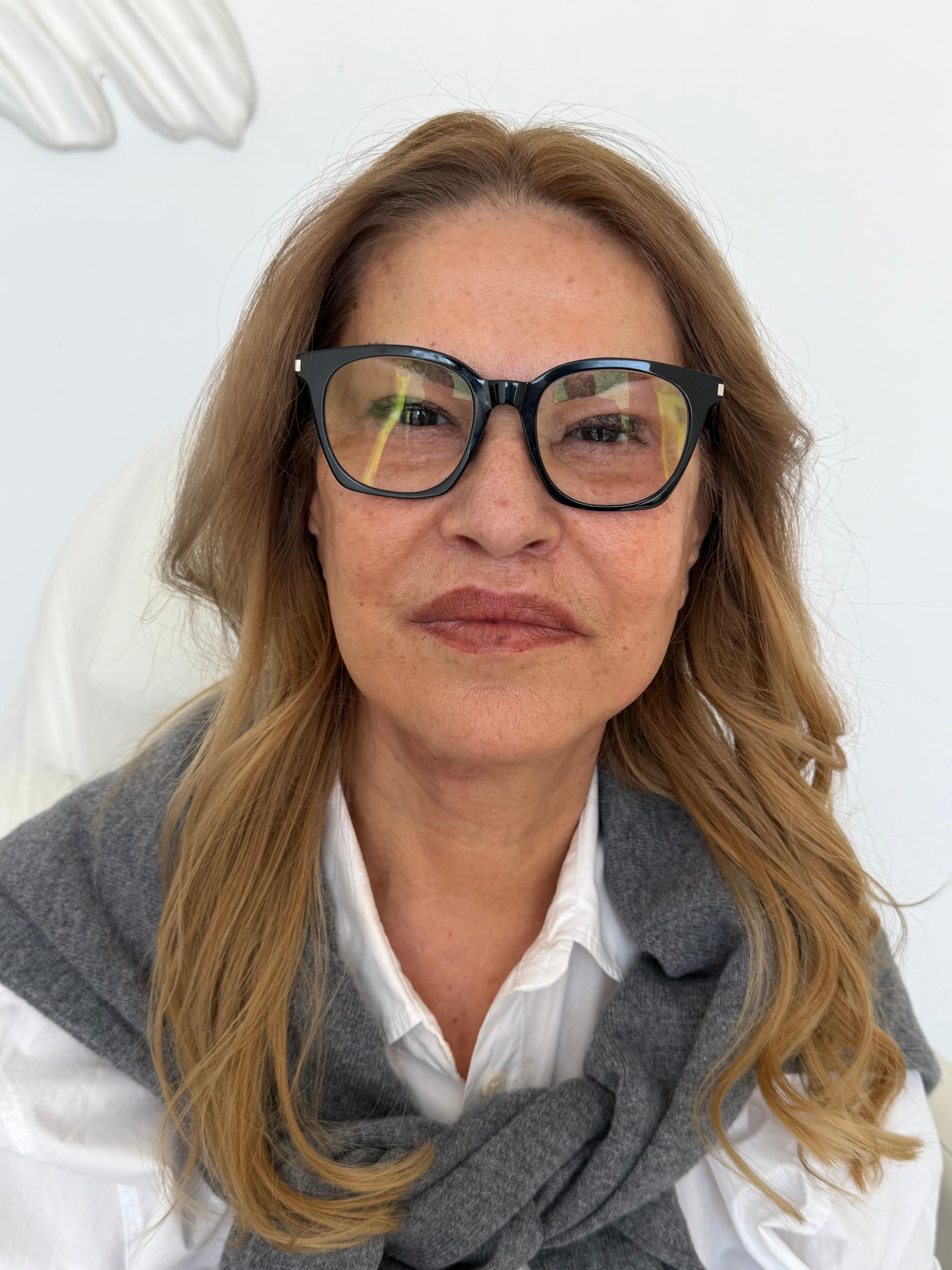
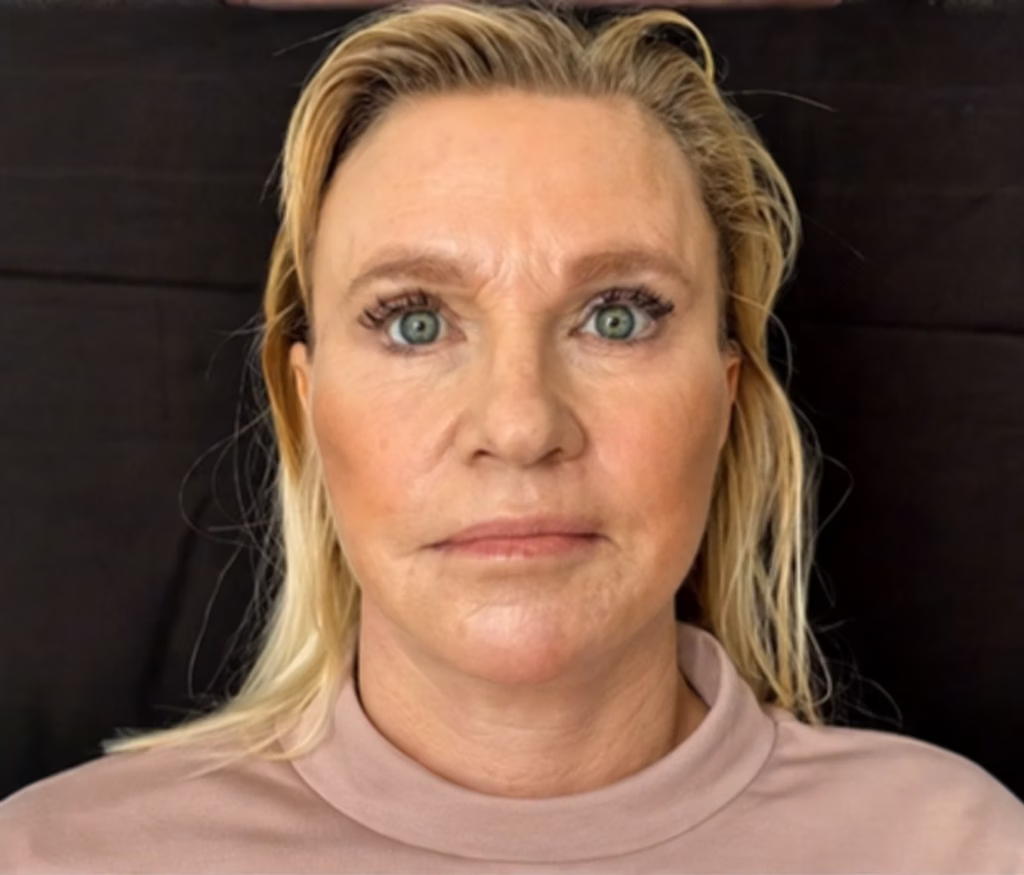
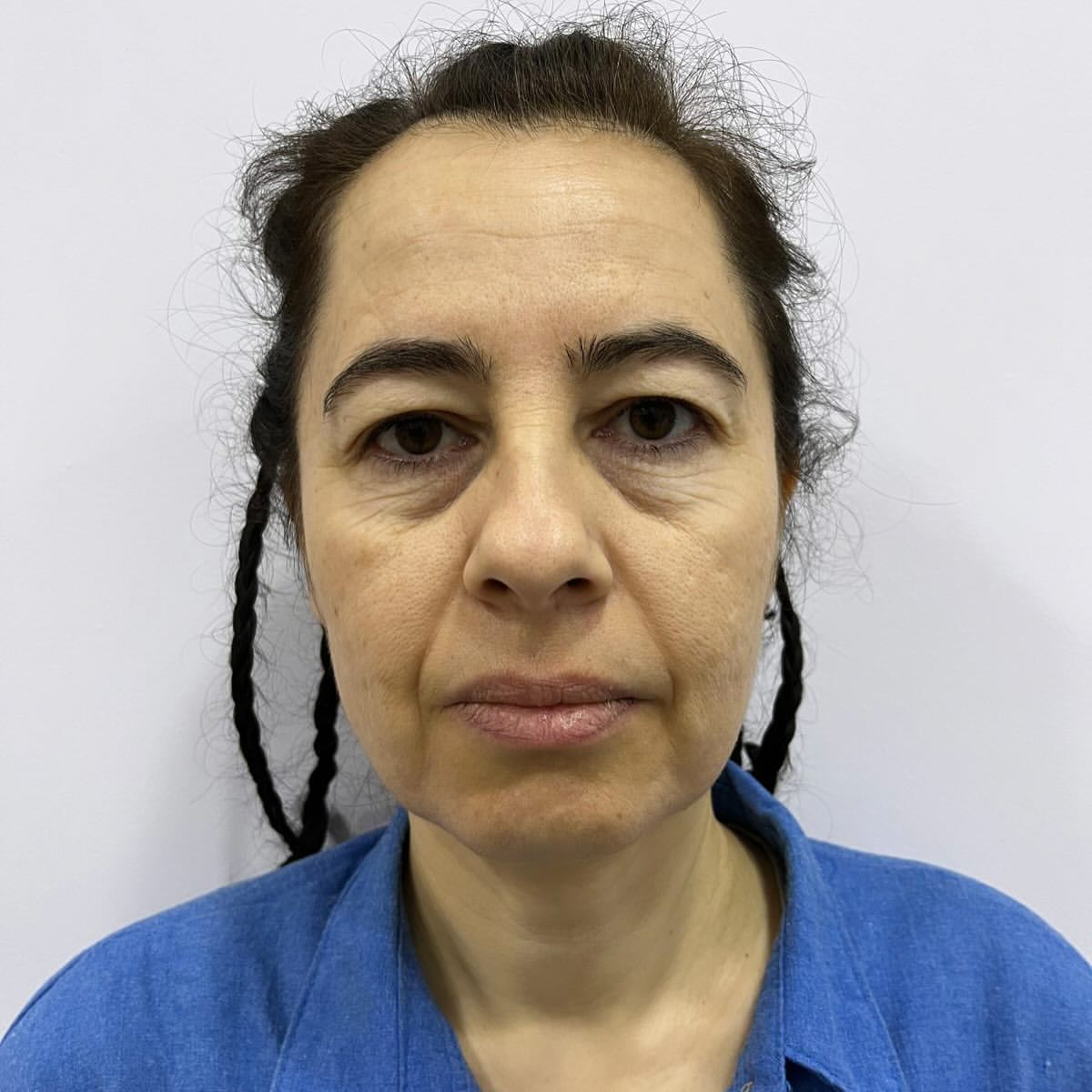
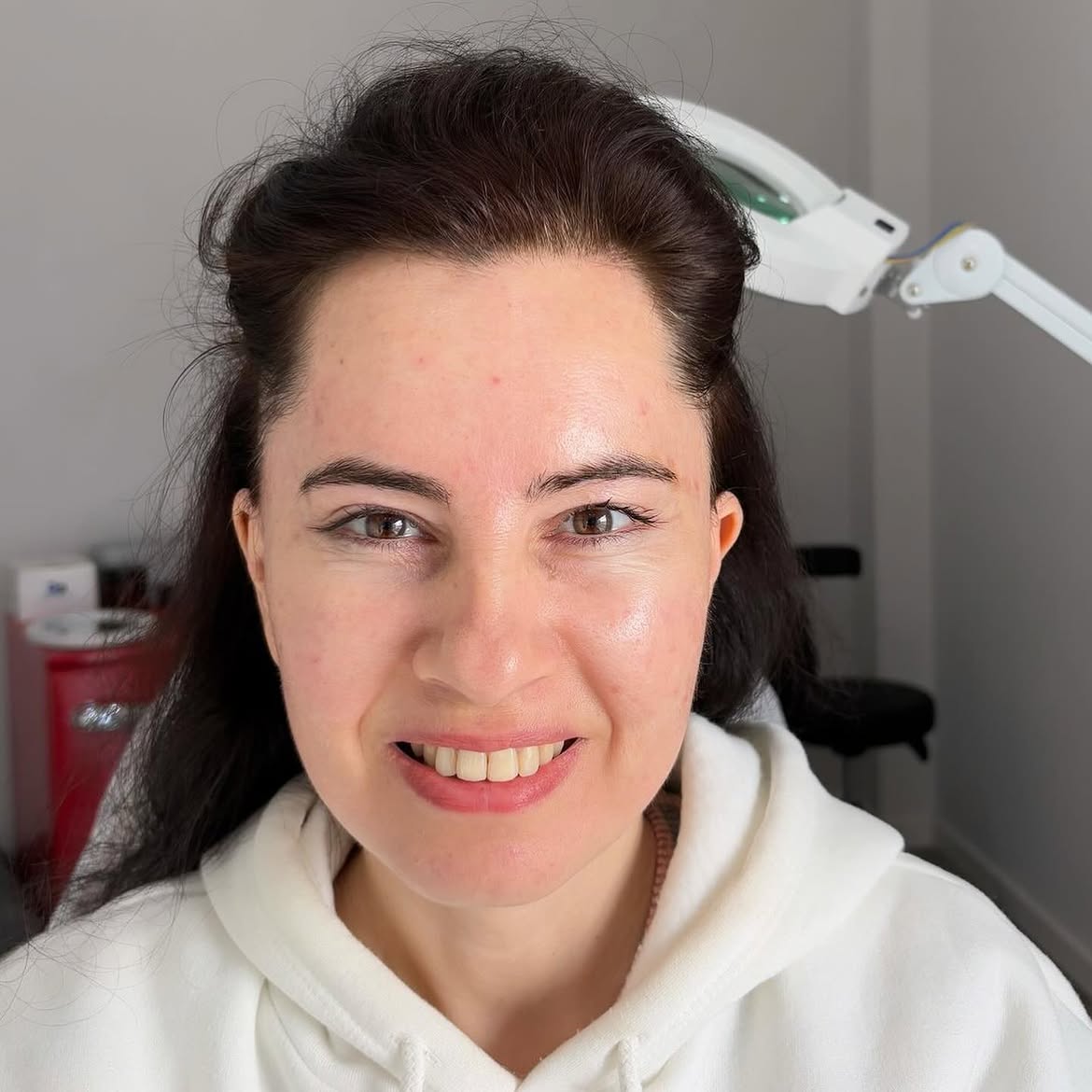
SELECTED DEEP PLANE RESULTS

Restored Contours. Preserved Identity.

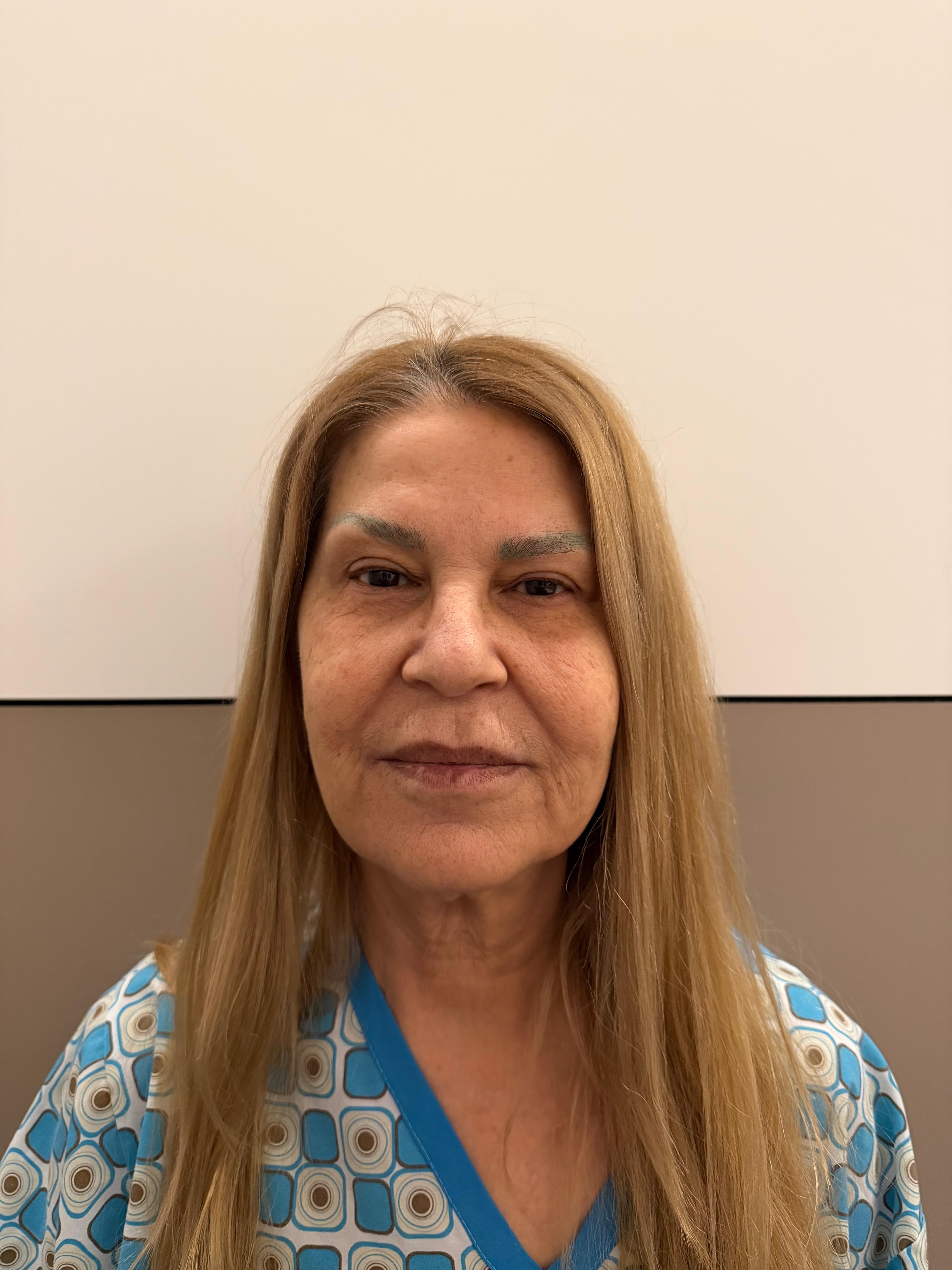
Every face ages differently, and every procedure should respect the features that make it unique. These selected cases reflect an individualised surgical approach focused on restoring the cheeks, jawline and neck while preserving the patient’s natural expression and identity.

CASE 01
Before

CASE 01

After

CASE 02

Before

CASE 02

After

CASE 03

Before

CASE 03

After

CASE 04

Before

CASE 04

After

Every patient’s anatomy, healing process and surgical outcome are unique. Individual results may vary.

DR. OĞUZ KILIÇ

PLASTİC SURGEON

SURGICAL APPROACH

A Facelift Begins With Understanding the Face

Dr. Oğuz Kılıç approaches facial rejuvenation as a process of careful evaluation, individual planning and surgical precision—not as a standard operation repeated from one patient to another. Every consultation begins with a detailed assessment of the cheeks, jawline, neck, skin quality and overall facial proportions. Just as importantly, he listens to which changes concern the patient and what kind of result would feel natural and appropriate for them. Because every face ages differently, the areas to be treated, the extent of correction and the relationship between the face and neck are planned according to the patient’s individual anatomy rather than a fixed template. The aim is not to erase every sign of age or create an obviously operated appearance. It is to restore support and definition while preserving expression, character and identity—so the patient still looks like themselves, only more rested and balanced.

DR. OĞUZ KILIÇ

Plastic, Reconstructive and Aesthetic Surgeon
INTERNATIONAL PATIENT JOURNEY

From Online Assessment to Your Return Home

01.
02.
03.
04.

ONLINE ASSESSMENT

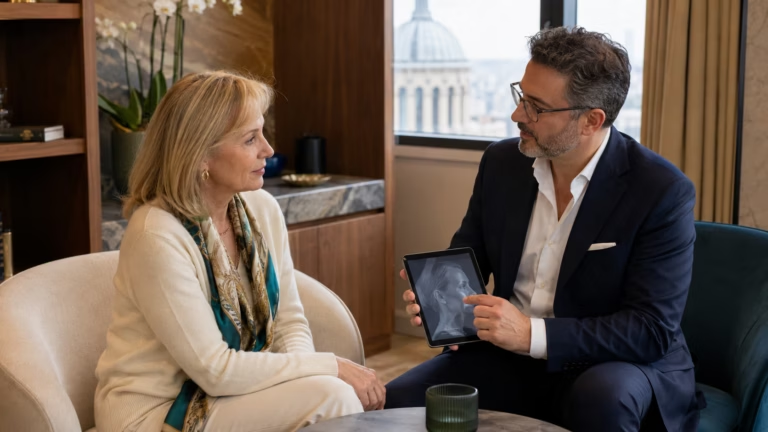
Share your facial photographs, relevant medical information and expectations with our international patient team. Dr. Oğuz Kılıç reviews your case to make an initial assessment and determine the appropriate next step.

PERSONALISED SURGICAL PLAN

If surgery may be appropriate for you, the proposed procedure, areas to be addressed, expected length of stay and preparation requirements are explained before your travel plans are finalised.

ARRIVAL, CONSULTATION AND SURGERY

After arriving in Türkiye, your detailed in-person examination and preoperative checks are completed. Dr. Oğuz Kılıç reassesses your facial anatomy and confirms the final surgical plan before the operation.
RECOVERY AND CONTINUED FOLLOW-UP

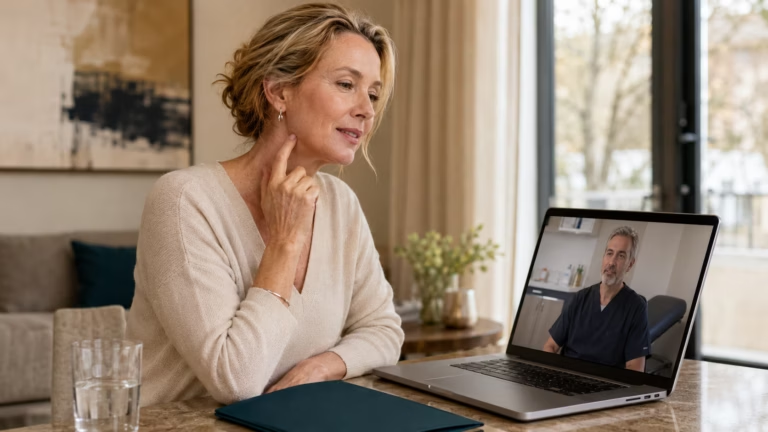
Your early recovery is monitored through scheduled postoperative examinations. Once you are cleared to travel, you return home with individual aftercare instructions and your recovery continues with planned remote follow-up.
DEEP PLANE FACELIFT RECOVERY

Your Recovery, Stage by Stage

Recovery is gradual and individual. These four stages provide a general guide to what patients may experience after surgery.

01

FIRST 48 HOURS

Rest, monitoring and swelling control are the main priorities. Swelling, bruising, tightness, numbness and some limitation in neck movement may be expected during the early postoperative period.

02

DAYS 3–7

Swelling and bruising may still be visible while gradually beginning to settle. Follow-up examinations, incision care and light daily movement continue according to the surgeon’s instructions.

03

DAYS 10–14

As visible swelling and bruising decrease, many patients begin to feel more comfortable returning to work and social settings. The appropriate timing is determined individually with the surgeon.

04

WEEKS 3–12+

Facial contours continue to settle and the tissues gradually soften. Residual swelling, changes in sensation and incision lines may continue to improve for several months.

VIDEO GALLERY

A Closer Look From the Clinic

Explore surgical topics with Dr. Oğuz Kılıç, including facial rejuvenation, treatment planning and recovery. These videos provide general information; your consultation is tailored to you.

PERSONALISED SUPPORT

A Deep Plane Facelift may be suitable for healthy patients who are concerned about sagging through the cheeks, jawline and neck. General health, smoking status, facial anatomy, tissue quality and expectations must all be considered. Suitability can only be confirmed following a detailed consultation and medical assessment.

Facelift techniques differ in the tissue layers they address and how those tissues are repositioned. A Deep Plane Facelift works beneath the SMAS layer in selected areas, allowing deeper facial tissues to be mobilised rather than relying on skin tension alone. However, the most appropriate technique depends on each patient’s anatomy and goals.

In suitable patients, facelift surgery may be combined with procedures such as neck lift, eyelid surgery or facial fat transfer. Combining procedures is not appropriate for everyone and may affect the length of surgery and recovery. Safety and the overall treatment plan are evaluated individually during consultation.

A natural-looking result begins with careful assessment and a surgical plan based on the patient’s existing anatomy and proportions. The aim is to restore facial support without creating excessive skin tension or changing the patient’s identity. Results vary, and no specific outcome can be guaranteed.

Swelling, bruising, tightness and temporary changes in sensation are common during the early recovery period. Many patients feel comfortable being seen socially after approximately 10–14 days, although deeper healing and tissue softening continue for several months. Recovery time varies according to the patient and the procedures performed.

The process begins with an online assessment, followed by personalised planning before travel and an in-person examination before surgery. Postoperative reviews are completed before the patient returns home, with continued remote follow-up where appropriate. The length of stay and safe time to fly are confirmed individually by the surgeon.

Oğuz Kılıç, MD